Monday, November 11, 2019

CASSAVA (CYANIDE) POISONING IN NIGERIA


Three patients admitted to the Accident and Emergency Unit of Lagos University Teaching Hospital (LUTH) after eating a cassava based meal 'Gari' died shortly after admission. The patients vomited and complained of abdominal pain immediately after the meal. They were unconscious with renal failure and died of cardiopulmonary arrest. The cyanide levels in the blood and urine averaged 1.12 and 0.54 mg 1-1, respectively. Cassava contains cyanogenic glycosides which slowly release cyanide and this may have been responsible for the death of these patients. There is an urgent need to establish maximum tolerable levels of cyanide in 'Gari' and other cassava food products. (Akintonwa & Tunwashe, 1992)
Nature of Cassava toxin
Cassava is fed to livestock in the fresh or processed form. In the whole unbruised plant the cyanogenic glucoside remains intact in the form of linamarin and lotaustralin. When the cellular structure is disrupted, the intracellular glucoside becomes exposed to the extracellular enzyme linamarase. Hydrocyanic acid (HCN) is then produced. The reaction has been shown to proceed in two steps by Nartey, (1978) viz:
     i.        Cyanogenic glucoside is degraded to sugar and cyanohydrin (x - hydroxynitrile);
    ii.        Cyanohydrin then dissociates to ketone and hydrocyanic acid. Thus, for linamarin the glucoside is first hydrolysed by linamarase to produce B-D-glucopyranose and 2 - hydroxyisolentyronotrite or acetone - cyanohydrin, after which the latter is degraded to acetone and HCN. Cyanohydrin produced as a result of linamarin activity is stable only under moderately acidic condition (pH 4.0); in neutral or alkaline condition it undergoes spontaneous hydrolysis to yield HCN (Cooke et al. 1985).
In spite of the relative instability of cyanohydrin it coexists with intact glucoside and HCN in differently processed cassava products. It is therefore clear that the cyanide in cassava products exists in three forms: (i) the glucosides (linamarin and lotaustralin), (ii) the cyanohydrin and (iii) the free hydrocyanic acid (HCN).
However, the quantitative estimation of cyanide by various methods has produced incomparable results, and in many cases a gross underestimation, emanating from quantification of free HCN alone in the reports of earlier investigators. The harmonization of current analytical and presentation methods is therefore suggested.
The paragraphs below were reported by Joey, 2008:
On 14 January 2008, the Centre for Food Safety (CFS) advised members of the public to avoid consuming Piranha brand crackers and snacks manufactured by Tixana Australia Pty Ltd. The appeal was made following a warning issued by the Food Standards Australia New Zealand (FSANZ) due to the higher-than-usual levels of naturally occurring cyanogenic glycosides in the ingredient cassava in a batch of exported vegetable crackers. The CFS contacted the relevant authorities and was informed that the affected products had been exported to Hong Kong. The CFS alerted the trade to stop selling the affected products.
What are Cyanogenic Glycosides?
Cyanogenic glycosides are a group of chemical compounds which occur naturally in over 2 000 plant species. There are at least 25 cyanogenic glycosides known to be found in the edible parts of plants. Cyanogenic glycosides alone are relatively non-toxic. However, as a result of enzymatic hydrolysis by beta-glucosidase following maceration of plant tissues as they are eaten, or by the gut microflora, cyanogenic glycosides are broken down to release hydrogen cyanide which is toxic to both animals and humans. The potential toxicity of a cyanogenic plant depends primarily on its capacity to produce hydrogen cyanide.
What are the Symptoms of Cyanide Poisoning?
In humans, the clinical signs of acute cyanide intoxication include rapid respiration, drop in blood pressure, rapid pulse, dizziness, headache, stomach pain, vomiting, diarrhoea, mental confusion, twitching and convulsions. Death due to cyanide poisoning can occur when the cyanide level exceeds the limit an individual is able to detoxify. The acute lethal dose of hydrogen cyanide for humans is reported to be 0.5 to 3.5 mg per kilogram of body weight. Children are particularly at risk because of their smaller body size.
Chronic cyanide intoxication may lead to the development of certain conditions including disturbance of thyroid function and neurological disorders. It tends to affect those individuals who have regular long-term consumption of cassava with poor nutrition status.
What is Cassava? What is it Used for?
The roots of cassava are rich in carbohydrates, mainly starch. According to Food and Agriculture Organization, cassava is the third most important source of calories in the tropics, after rice and corn. Cassava is consumed in a variety of ways, including eaten as whole root, grated root or root chips. In addition, it is prepared into flour which in turn can be used for cooking or production of cassava-based products such as breads, crackers, and puddings or beverages made with tapioca pearls. Cassava leaves are also eaten in some countries following extensive boiling. Apart from being used as human food, cassava products are also used as animal feed.

How should Cassava be Processed to Render it Safe for Consumption?
Cassava contains more than one form of cyanogenic glycosides. Different varieties of cassava are generally classified into two main types: sweet cassava and bitter cassava. Sweet cassava roots contain less than 50 mg per kilogram hydrogen cyanide on fresh weight basis, whereas that of the bitter variety may contain up to 400 mg per kilogram.
Sweet cassava roots can generally be made safe to eat by peeling and thorough cooking. However, bitter cassava roots require more extensive processing. One of the traditional ways to prepare bitter cassava roots is by first peeling and grating the roots, and then prolonged soaking of the gratings in water to allow leaching and fermentation to take place, followed by thorough cooking to release the volatile hydrogen cyanide gas. Cutting the roots into small pieces, followed by soaking and boiling in water is particularly effective in reducing the cyanide content in cassava. Whilst fresh cassava requires traditional methods to reduce its toxicity, adequately processed cassava flour and cassava-based products have very low cyanide contents and are considered safe to use.
What Other Edible Plants Contain Cyanogenic Glycosides?
Bamboo shoot is a popular food item among Asian population. The cyanogenic glycoside present in bamboo shoot is decomposed quickly in boiling water. Other edible plants containing cyanogenic glycosides include kernels within the pits of some stone fruits (e.g. bitter apricot kernels), lima beans, etc.

Advice to Consumers
1.   Buy food from reliable suppliers.
2.   Prepare cyanogenic plants such as cassava and bamboo shoot properly before consumption. Cyanogenic plants should be cut into smaller pieces, soaked in water and cooked thoroughly in boiling water.
3.   Maintain a balanced diet to avoid excessive exposure to harmful chemicals from a small range of food items.
Advice to the Trade
1.   Source food and ingredients from reliable sources.
2.   Adhere to the Good Manufacturing Practice to minimise the risk of natural toxins in food.

Bibliography
Akintonwa, A., & Tunwashe, O. L. (1992, 1 1). Sage Journal.   Retrieved 11 2019, from Human and Experimental Toxicology:         https://journals.sagepub.com/doi/abs/10.1177/096032719201100107       ?journalCode=hetb
Joey KWOK (2008): Cyanide Poisoning and Cassava. Centre for Food         Safety.Honkong.         https://www.cfs.gov.hk/english/multimedia/multimedia_pub/multime        dia_pub_fsf_19_01.html
Nartey, F. 1978. Manihot esculenta (Cassava): Cyanogenesis         ultrastructure and seed germination. In Abstracts on Cassava, Vol. 4,         Series 083C-4. C.I.A.T. Publication, Colombia.

SAFETY AT HOME: YOUR GAS (LPG) CYLINDERS


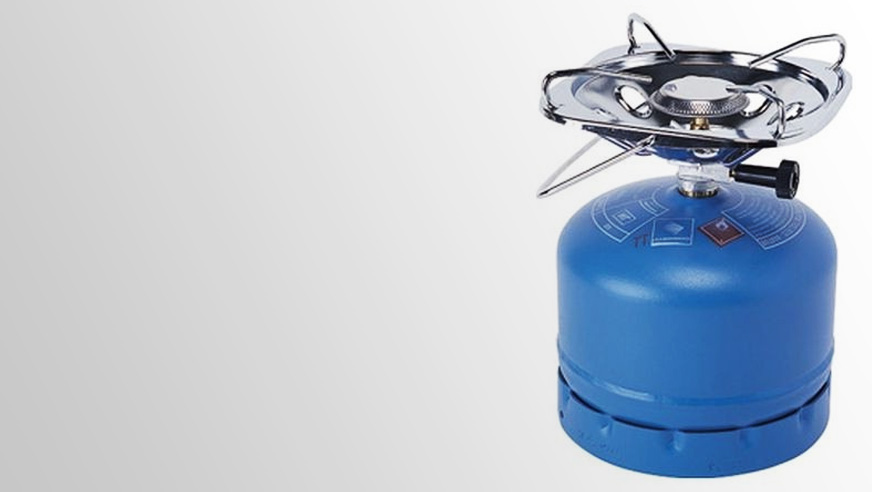
Liquified Petroleum Gas (LPG) is the most used source of energy at homes in modern time. The gas is a mixture hydrocarbons – butane and propane. The gas is highly volatile and possesses explosion potential being stored under pressure. This work looks at the how to detect leakage in LPG cylinder, taking care of odourless LPG and users with inability to perceive, and what to do in the case of actual leakage.
The soapy water leak test allows for tell-tale gas leak soap bubbles that are indicative of a gas leak. You just coat all of the gas transmission gear (pipes, hoses & valves) with soapy water and then pressurise the system. If you see gas leak soap bubbles or smell rotten eggs, you know you have a leak.
It is important to know how do you check for gas cylinder leaks and regularly leak test your BBQ gas bottle (LPG gas cylinder), regulator and hose using the soap bubble test for gas leak.  
Leaks from these items are frequently the cause of BBQ gas fires. 
How to Detect LPG Gas Leakage
Using your nose is the first step to detect LPG gas leakage. The first hint would be the smell of rotten cabbage or rotten eggs. An odourant - Ethyl Mercaptan – is added to the naturally odourless LPG for the aid in detection of leaks.
Soap Test for Gas Leak - Gas Leak Detector Soapy Water
Apply soapy water to the entire hose assembly, including the tank's valve and regulator, using a spray bottle or sponge. Pressurise the system without turning on any appliances. If you see bubbles or smell rotten eggs, you have a leak.
How Do You Check for Gas Cylinder Leaks & for Natural Gas Leaks? Soapy Water Leak Test
It is important to how do you check for gas cylinder leaks and for natural gas. One of the safest ways is something commonly called the "soapy water leak test" or soap bubble test for gas leak.
The soapy water leak test allows you to search for tell-tale bubbles that are indicative of LPG or Natural Gas leakage.
In this very simple test, you just coat all of the gas transmission gear (pipes, hoses, valves, etc.) with soapy water and then pressurise the system.
If you see bubbles, you know you have a leak.
Soap Test for Gas Leak - Gas Leak Check Solution
To make the solution for the soap test for gas leak, simply mix dish detergent with water. The soap can be put in a spray bottle or placed in a bowl for sponging on. Dish washing soap is formulated to make lots of bubbles so it works better for the soap test for gas leak.
Liquid laundry detergent doesn't work as well as dish soap, as it is formulated to be low sudsing.
Remember to cover the entire hose assembly from the gas bottle valve to the hose attachment to the BBQ or heater with soap solution. Open the valve to pressurise the system, without turning on the burners, and look for soap bubbles or sniff for the rotten egg smell.
This quick 60 second video shows how to perform the soap bubble test for gas leak - soapy water leak test:
How to Do Soapy Water Leak Test - How to Detect a Gas Leak in Your Home
To detect a gas leak in your home, start by putting some soapy water in a spray bottle or a dish.  
Turn on the LPG gas bottle without turning on the BBQ.  This pressurises the system.  
Next, spray the entire valve, regulator and hose assembly with the soapy water.  
Alternatively, you can apply the soapy water with a paint brush, basting brush or it can even be sponged on.  
Soap bubbles will form if there is a gas leak and you may also smell the gas. 
You need to test the entire assembly from the gas bottle valve all the way to where the gas hose attaches to the BBQ.  
When done, rinse with clean water to remove the soap solution.
Remember to always soapy water leak test the lot every time you re-connect your gas bottle.
If you find a leak, turn off the gas bottle immediately!  
Do not turn back on or attempt to use the BBQ until the problem is rectified.

What is the gas is manufactured odourless or when the user has inability in detecting odour?
Special Cases with No Odourant:
There are certain applications where the odourant is not added.
Facilities that use odourless gas must have the same gas detection equipment as the gas terminals.
For example, Butane is commonly used as an aerosol propellant.
Needless to say, we wouldn’t want things like hair spray and deodorant to smell like rotten cabbage!
Some People Can't Smell The Odour:
Some people cannot smell the odour added to LPG.
This can be due to illness or if they have been continuously exposed to the smell.
If you know that you can’t smell gas, have problems with your sense of smell or just want an extra layer of protection, you might consider installing a gas detector.
Gas detectors emit an audio alarm when gas is detected, similar to a smoke alarm.

What to do in the case of leakage
An LPG cylinder is common in all households. If you ever suspect a leak, follow these steps. A gas leak at home can be an extremely scary affair. Once that pungent smell hits the nostrils, panic sets in because any flame might spark an explosion.
1.   Do not panic. Panicking will only hinder a clear thought pattern and may actually be harmful in this case. Maintain a sense of calm, and convey the same message to other occupants of the house as well.
2. Extinguish any fire in your house, no matter how small. Yes, even the innocuous incense sticks! Keep away the matches/lighters, or anything even remotely flammable.
3. Next, shut down the appliance and turn off the LPG regulator. Then, put the safety cap on the cylinder after the regulator has been switched off.
4. Immediately open all the doors and windows to your house so that the gas can escape. Never open electrical fans or even an exhaust fan. Let the gas escape naturally. Once you do that, go outside the house and isolate the main electric supply. Be sure to evacuate yourself and others from the area.
5. If you or your loved one have inhaled an excessive amount of gas, move yourself or the person to a place where there is fresh air circulating. Rest in a comfortable position, and relax.
6. If the gas has made contact with your clothes and skin, remove the contaminated clothing immediately and rinse the affected area with a lot of water, for at least 15-20 minutes. Seek medical help if required.
7. If the gas enters the eyes, it causes itching and burning. Resist the temptation to itch, and rinse the eyelid and eye with a lot of water for around 15-20 minutes. If you are wearing contact lenses, remove them before flushing your eyes.
8. If the cylinder happens to be in flames, do not worry. Take a soaking wet towel or a long piece of cloth, and wrap it around the cylinder. The supply of air to the flame will be cut off, and the fire will subside.
Once you have performed all the above steps, call the helpline number, and intimate them of the leak so they may come and help you. Most importantly, do not try and move the cylinder, as this might cause issues. A gas leak is avoidable if you check your regulators and safety valves, but if one does happen, you now know what to do!
References
Hahn, E. (2019): Soapy Water Leak Test: How Do You Check for Gas    Cylinder Leaks, How to Detect a Gas Leak in Your Home - Gas Leak      Soap Bubbles - Soap Test for Gas Leak. Elgas LPG Blog.      https://www.elgas.com.au/blog/505-bbq-gas-leak-test-gas-grill-     barbecue. Accessed, 11/11/2019
Prakash, G. (2916): How do you find LPG & Natural gas leakage?         https://www.quora.com/How-do-you-find-LPG-Natural-gas-leakage.         Accessed, 11/11/2019.
Rayomand Engineer (2018): Suspect a LPG Gas Leak? 8 Steps That    Can Avoid Disaster & Ensure Your Safety!    https://www.thebetterindia.com/151557/lpg-gas-leak-safety-      precautions-india-news/ Accessed, 11/11/2019.

ABOUT ID ODUOK


EDUCATION
Trade: Mechanical Engineering Craft
PTI National Diploma: Industrial Safety and Environmental Engineering Technology.
B.Eng: Chemical Engineering
M.Eng (in view): Chemical Process Design


INTERNSHIP
Technical Services Intern: DPR
Pumping Station Intern: Exxonmobil


REGISTRABLE PROFESSION (MEMBERSHIP IN VIEW)
Institute of Safety Professionals, Nigerian Society of Engineers, Nigerian Society of Chemical Engineers.

CURRENT ENGAGEMENTS
Director at Odfid Technical Services primarily in charge of the technical center. Technical instructor in two technical colleges on Mechanical Crafts.  Lectures in Technical Education Department of a College of Education, and Supervises construction projects as Safety Officer.

Sunday, November 10, 2019

Federal Government Scholarship - Undergraduates, Masters, NCE, ND, HND


FEDERAL MINISTRY OF EDUCATION FEDERAL SCHOLARSHIP BOARD

PLOT 245 SAMUEL ADEMULEGUN STREET CENTRAL BUSINESS DISTRICT, ABUJA
2020/2021 FEDERAL GOVERNMENT SCHOLARSHIP AWARDS COMPUTER BASED TEST (CBT)
The Honourable Minister of Education (HME), Mallam Adamu Adamu, hereby invites interested and qualified Nigerians to participate in the 2020/2021 Nomination Computer Based Test (CBT) for the Federal Government Scholarship Awards for:

A. BILATERAL EDUCATION AGREEMENT (BEA)


i)  Undergraduate (UG) studies tenable in Russia, Morocco, Algeria, Serbia, Hungary,
Egypt, Tunisia, Turkey, Cuba, Romania, Japan, Macedonia; and

ii)  Postgraduate (PG) studies tenable in Russia (for those whose first degrees were obtained from Russia), China, Hungary, Serbia, Turkey, Japan, Mexico, South Korea, e.t.c.

  All qualified candidates are advised to:
a.       Visit Federal Ministry of Education’s website www.education.gov.ng and click on

Federal Scholarship Board ICON on the Home Page:

b.    Read Guidelines and then Complete the Application Form online
c.    Print the Examination slip.

NOTE/Warning: Double Entries will be disqualified!


  FIELDS OF STUDY
a.        Undergraduate   level   -   Engineering,   Geology,  Agriculture,                Sciences,        Mathematics, Languages, Environmental               Sciences,   Sports,      Law,         Social     Sciences, Biotechnology,
Architecture, Medicine (very limited), etc.; and
b.      Postgraduate level (Masters Degree and PhD) in all fields.

4.0 CRITERIA FOR ELIGIBILITY

A.  UNDERGRADUATE SCHOLARSHIPS: All applicants for undergraduate degree courses must possess a minimum qualification of Five (5) Distinctions (As & Bs) in the Senior Secondary School Certificates, WASSCE/WAEC (May/June) only in the subjects relevant to their fields of study including English Language and Mathematics. Certificates should not be more than two (2) years old (2018 & 2019) for Non-African Countries and for African countries the age of certificate is one year (2019) only. Age limit is from 18 to 20 years.
B.     POSTGRADUATE SCHOLARSHIPS: All applicants for Postgraduate degree courses must hold a First Degree with 1st Class or at least 2nd Class Upper Division. The applicants who are previous recipients of Foreign Awards must have acquired at least two (2) years post qualification experience or employment practice in Nigeria. All applicants must have completed the N.Y.S.C. Programme and the age limit is 35 years for Masters and 40 years for Ph.D.
i)      N.Y.S.C discharge or exemption certificates only are accepted; and

ii)       Evidence of readiness to be released by an employer.

GENERAL NOTE FOR ALL APPLICANTS:

i)    Since the BEA countries are non-English speaking, applicants should be prepared to undertake a mandatory one-year foreign Language course of the Country of choice which will be the standard medium of instruction;
ii)    Japan applicants must have a solid background in further mathematics;
iii)     The required certificate for candidates applying for Bachelor in Imamat, Quran Teaching Professor and Imam Preacher Training for Islamic Religious studies in Algeria is WASSCE/WAEC, and no other certificate is accepted;
iv)     All applicants for Hungarian Scholarship can apply for up to two fields of study in order of preference, and must visit the website: www.stipendiumhungaricum.hu which will hopefully be opened between October and November 2019,
·         Complete the application form online,
·         Print the completed form and bring to the interview venue in addition to 2.0 above;
v)     All applicants for Russian Postgraduate Scholarship must have acquired their 1st Degree in Russia;
vi)      All Applicants to upload their certificates online;
viii) The duration for Serbian undergraduate scholarship is Eight (8) years general courses and Nine (9) years for Medicine and postgraduate studies, 3-4years for MSC and 5-6years for PhD.

NB:    Candidates nominated by the Board will be required to submit to Federal Scholarship Board the following:
i)                    Authenticated copies of academic certificates;
ii)                   Data page of the current International passport;
iii)                 Specified Medical Reports from Government hospitals;
iv)               National Identification Number (NIN)
v)                 Police Clearance Certificate where necessary.

B.   NIGERIA AWARD SCHOLARSHIP (NA) 2020/2021 FEDERAL GOVERNMENT SCHOLARSHIP AWARDS TENABLE IN NIGERIA TERTIARY INSTITUTIONS FOR NA


THE ELIGIBILITY CRITERIA FOR NIGERIAN AWARD IS AS FOLLOWS:

v  Applicants for Postgraduate studies should possess a minimum of first degree with Second Class Honours Upper Division. Applicant must be registered Full-Time students of Federal or State Universities.
v  All other applicants (UG, HND & NCE) must be registered full-time students in their second year or above in Federal or State Universities, Polytechnics, Monotechnics and Colleges of Education. All undergraduate Scholarship applicants (Physically challenged inclusive) must have at least 4.0 Cumulative Grade Points Aggregate (CGPA) on a five (5) point scale or  its equivalents or 5.0 on a 7 point scale.

IMPORTANT INFORMATION: NA

ü  The scholarship is tenable in Nigeria and takes effect from the beginning of the academic session.
ü  It shall not be held at the same time with another Award nor for part-time studies.
ü  Change of course or Institution is not allowed.
ü  The Scholarship award is to assist the scholar in the payment of:
i.                     Institutional charges and fees and
ii.                   For Personal maintenance.

COURSES TO BE CONSIDERED FOR THE AWARD ARE AS FOLLOWS:

A.      Science and Technology
B.      Medicine and Para-medicals
C.      Education
D.     Agriculture
E.      Liberal Arts/Social/Management Sciences
F.       Entrepreneural Studies,
G.      ICT
H.      Environmental Sciences
I.        Law

METHOD OF APPLICATION

Application forms are to be completed online as follows: Complete form online
Submit and Print a copy
Attach Photocopy of the following documents to the Printed Copy
i.         Letter of Admission to the Institution
ii.       Current Course Registration Form
iii.      CGPA results of year 1, 2, 3, etc.
iv.     Current School’s Identity Card
v.       Letter of Identification from your State/Local Government
vi.     Two (2) passport size photographs with your name written at the back and duly signed by you.

2020/2021 FSB COMPUTER BASED TEST VENUES


S/N
ZONE
STATE
VENUE
1.
NORTH – WEST
SOKOTO KANO
SOKOTO KANO
2.
NORTH- EAST
ADAMAWA BAUCHI
YOLA BAUCHI
3.
NORTH-CENTRAL
FCT KWARA
BWARI ILORIN
4.
SOUTH –WEST
OYO ONDO
IBADAN AKURE
5.
SOUTH- SOUTH
DELTA RIVERS
ASABA P/HARCOURT
6.
SOUTH- EAST
ENUGU IMO
ENUGU OWERRI


GENERAL NOTICE: During the application, candidates are expected to indicate the following:

i)   Candidates are advised to choose Computer Based Test Centre (CBT) very close to them ;
ii)    Choice of programme preferred in order of priority (i.e. Bilateral Education Agreement (BEA) and Nigerian Award;
iii)    The registration portal will be closed on Friday 6th December 2019 by 11:59 PM

OFFICIAL PHONE NUMBERS/E-MAIL:

i.             Bilateral Education Agreement (BEA): 08077884417/09094268637 ii.       Nigerian Award: 08077884418/08091155229
iii.     fsb@education.gov.ng

For furtherTechnical/Apps inquires please call: 08055581004


Candidates are advised to choose a Centre very close to them

TIME: 9.00 A.M DAILY


PLEASE NOTE THAT THIS PARTICULAR APPLICATION DOES NOT ATTRACT ANY PROCESSING FEE. THEREFORE, BEWARE OF FRAUDSTERS!


SIGNED:
ARC SONNY T. ECHONO, fnia
PERMANENT SECRETARY FEDERAL MINISTRY OF EDUCATION